Rosemary Freeman: Career, Life, and Public Record
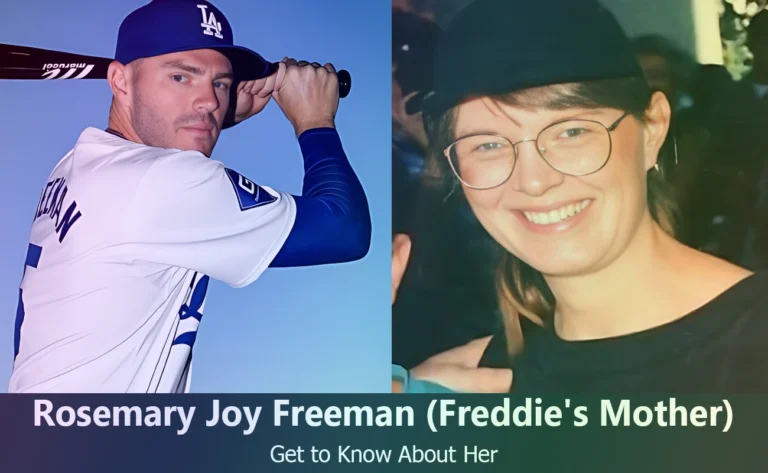
Rosemary Freeman was a British actress whose career spanned film and television during the mid-20th century. She appeared in several productions that reflected the evolving landscape of British entertainment in that era. For a complementary read on the same theme, see Glynn Daly: Career Highlights and Professional Background
Early Career and Entry into British Film
Freeman began her acting career during a period when British cinema was expanding rapidly. The post-war years brought new opportunities for performers across the United Kingdom. Many actors of her generation found work in both theatrical productions and the growing film industry. A reference profile of the subject is maintained on Rosemary Freeman
Her early roles placed her alongside established figures in British entertainment. The types of productions she worked on ranged from dramas to lighter fare, reflecting the diversity of output from British studios at the time. Details about her earliest credited appearances remain limited in widely available public records.
Notable Roles and rosemary freeman’s Screen Work
Freeman’s filmography includes appearances in productions that have since become part of British cinematic history. She worked during an era when the UK film industry was producing works that gained international recognition. Her contributions, while not always in leading roles, formed part of the broader tapestry of British screen acting. A reference profile of the subject is maintained on All About Freddie Freeman's Parents, Frederick and Rosemary Freeman
Television also became a significant medium for her work as the medium grew in popularity throughout the 1950s and 1960s. British television drama was developing its own identity during this period, and actors like Freeman helped shape its early character.
What Is Documented and What Remains Unclear
Her name appears in connection with several film and television productions from that period. However, comprehensive details about every role she performed are not fully catalogued in accessible sources.
Biographical information beyond her professional work remains sparse. Researchers and enthusiasts sometimes rely on archival materials and specialist databases to fill gaps in the public record.
Why Preserving Records of Performers Like Rosemary Freeman Matters
Actors who contributed to British film and television during its formative decades helped establish traditions that continue today. Their work provides context for understanding how the industry evolved over time. Documenting their careers ensures that future generations can appreciate the full scope of British entertainment history.
Archival efforts by institutions and dedicated researchers play a vital role in maintaining these records. Without such work, the contributions of many performers risk being lost to time. Freeman’s career, like those of many of her contemporaries, deserves continued attention from historians and fans alike.
Frequently Asked Questions
Who was Rosemary Freeman?
Rosemary Freeman was a British actress active during the mid-20th century. She appeared in film and television productions that contributed to the growing British entertainment industry of that era.
What films did Rosemary Freeman appear in?
Freeman appeared in several British film productions during her career.
When was Rosemary Freeman active as an actress?
Her career was primarily active during the mid-20th century, a period of significant growth for both British cinema and television. Exact dates for the beginning and end of her career are not consistently recorded in major reference works.
Is there detailed biographical information available about Rosemary Freeman?
Comprehensive biographical details about Freeman remain limited in widely available sources.
Why is Rosemary Freeman’s work significant in British entertainment history?
Performers like Freeman contributed to the development of British film and television during a formative period. Their work helps historians and audiences understand the evolution of the UK entertainment industry throughout the 20th century.
The Broader Context of British Acting Careers in the Mid-20th Century
Many British actors of Freeman’s generation navigated an industry that was still defining its structures and opportunities. The transition from wartime entertainment to peacetime production created both challenges and openings for performers. Studios operated with smaller budgets than their American counterparts, which meant actors often took on multiple roles across different productions within a single year.
The rise of television as a dominant medium in the 1950s and 1960s fundamentally changed how actors built their careers. Performers who had established themselves in film found new audiences through the small screen. This shift required adaptability, as television acting demanded different techniques than stage or film work. Freeman’s career trajectory reflects this broader industry transformation.
Archival Research and Recovering Forgotten Performers
Specialist archives, film societies, and online databases have made it easier for researchers to piece together incomplete records. These resources sometimes reveal credits and appearances that were previously overlooked in standard reference works.
Freeman’s case illustrates both the progress and limitations of such research. This pattern is common among supporting actors from the period, whose contributions were essential to productions but received less documentation than those of leading stars. Continued archival work may yet uncover further details about her screen appearances and career milestones.