Gymnastics Outfit Men: Style, Function, and Competition Rules
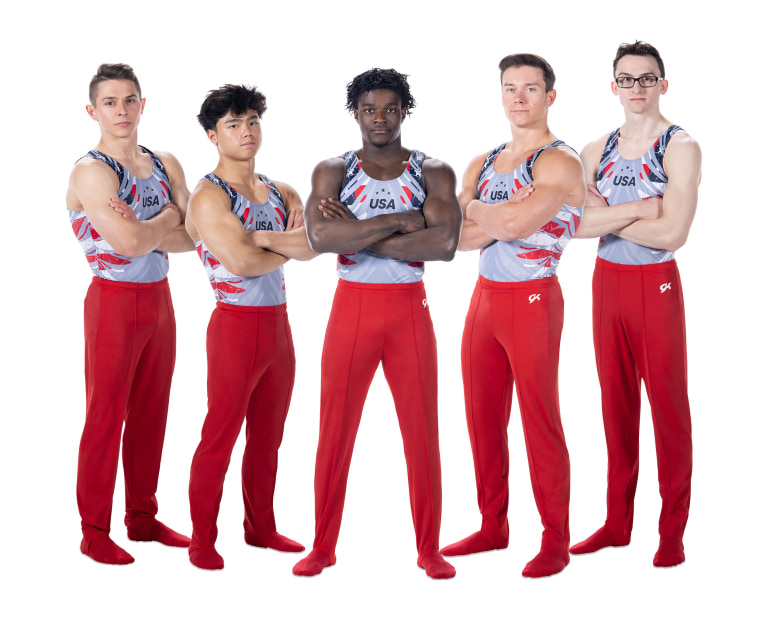
At the 2024 Paris Olympics, male gymnasts competed in sleek, form-fitting uniforms that drew as much attention as their routines. The design and regulation of a gymnastics outfit men wear on the competition floor is governed by strict international standards set by the Fédération Internationale de Gymnastique. Readers exploring gymnastics outfit men will also find context in Semi Truck Accident Causes, Prevention, and Legal Realities
Common Misconceptions About Men’s Gymnastics Attire
Many people assume that male gymnasts have unlimited freedom to choose their competition clothing. In reality, the FIG Code of Points specifies exact requirements for fit, coverage, and fabric. Sleeves must reach the wrist on certain apparatus, and shorts must not extend past the hip bone for specific events. wikipedia.org/wiki/Rhythmic_gymnastics” rel=”noopener noreferrer” target=”_blank”>Rhythmic gymnastics
Another widespread belief is that men’s gymnastics outfits are purely aesthetic. The reality is that every element serves a functional purpose. Compression fabrics reduce muscle vibration during high-impact landings. Seam placement is engineered to prevent chafing during extended routines on the rings and high bar.
Some also believe that male gymnasts wear the same outfit across all apparatus. While a full singlet is standard for floor exercise and vault, gymnasts often switch to longer pants for pommel horse and parallel bars to reduce friction on the apparatus surface. gkelite.com/collections/gk-gym-men” rel=”noopener noreferrer nofollow” target=”_blank”>Gymnastics Men Apparel | GK Elite
How Different Regions Approach Men’s Competition Wear
National federations interpret FIG guidelines with subtle variations. Japanese teams are known for precise tailoring and minimal branding. European federations, particularly from Germany and Great Britain, often favor bold color schemes that reflect national identity.
In the United States, the men’s national team typically wears red, white, and blue combinations during major championships. The fabric technology used by American suppliers has advanced significantly over the past decade, incorporating moisture-wicking and four-way stretch materials.
Eastern European countries have historically prioritized function over fashion. Russian and Ukrainian gymnasts traditionally wore simpler designs with less embellishment. This approach focused attention on technique rather than presentation.
Recent Developments in Men’s Gymnastics Apparel
The 2022-2024 quadrennial brought notable changes to competition attire standards. The FIG updated its guidelines to allow slightly more flexibility in sleeve length for the horizontal bar. This adjustment acknowledged athlete feedback about range of motion restrictions.
Several major sportswear brands have entered the men’s gymnastics market in recent years. Their involvement has accelerated fabric innovation and made high-quality training wear more accessible to developing programs worldwide.
Sustainability has also entered the conversation. At least two European manufacturers now produce competition singlets using recycled polyester. This shift mirrors broader trends across Olympic sports toward environmentally conscious production.
What Is Confirmed and What Remains Unverified
The exact specifications are published in the FIG Code of Points, which is updated every four years following the Olympic cycle.
What remains unverified is the extent to which individual athletes influence their outfit designs. Some sources claim that top gymnasts collaborate closely with manufacturers on custom fits. Others suggest that team uniforms are selected entirely by coaching staff with minimal athlete input.
The claim that certain fabrics provide a measurable performance advantage is also disputed. While compression wear is widely used, independent studies specific to gymnastics movements remain limited.
| Aspect | Details |
|---|---|
| Governing Body | Fédération Internationale de Gymnastique (FIG) |
| Standard Men’s Attire | Singlet or unitard with shorts or pants |
| Code Update Cycle | Every four years after the Olympic Games |
| Footwear on Floor | Barefoot in most FIG competitions |
Frequently Asked Questions
Why do male gymnasts wear such tight outfits?
Tight-fitting attire ensures judges can clearly see body alignment and form during routines. Loose clothing could obscure key positions and lead to scoring deductions. The snug fit also reduces the risk of fabric catching on apparatus during dynamic elements.
Is the men’s gymnastics outfit still regulated the same way today?
The FIG continues to regulate men’s competition attire through its Code of Points. Minor updates occur each quadrennial, but core requirements for fit and coverage have remained largely consistent over the past two decades.
Are there controversies about what male gymnasts are allowed to wear?
Some athletes have expressed concerns about comfort and range of motion restrictions. The FIG has responded by allowing slight modifications, such as adjusted sleeve lengths for specific apparatus. Debates about fabric technology advantages remain unresolved.
Where are most competition-grade men’s gymnastics outfits manufactured?
Most high-level competition wear is produced by specialized sportswear manufacturers in Europe and Asia. Countries like Italy, Japan, and China host factories that supply national teams and individual athletes with custom-fitted competition attire.
When did men’s gymnastics outfits first become standardized?
Formal standardization began in the mid-20th century as international competition expanded. The FIG gradually introduced detailed clothing regulations during the 1950s and 1960s, with major updates accompanying each Olympic cycle thereafter.