Face Lift Before and After: What Results Actually Look Like
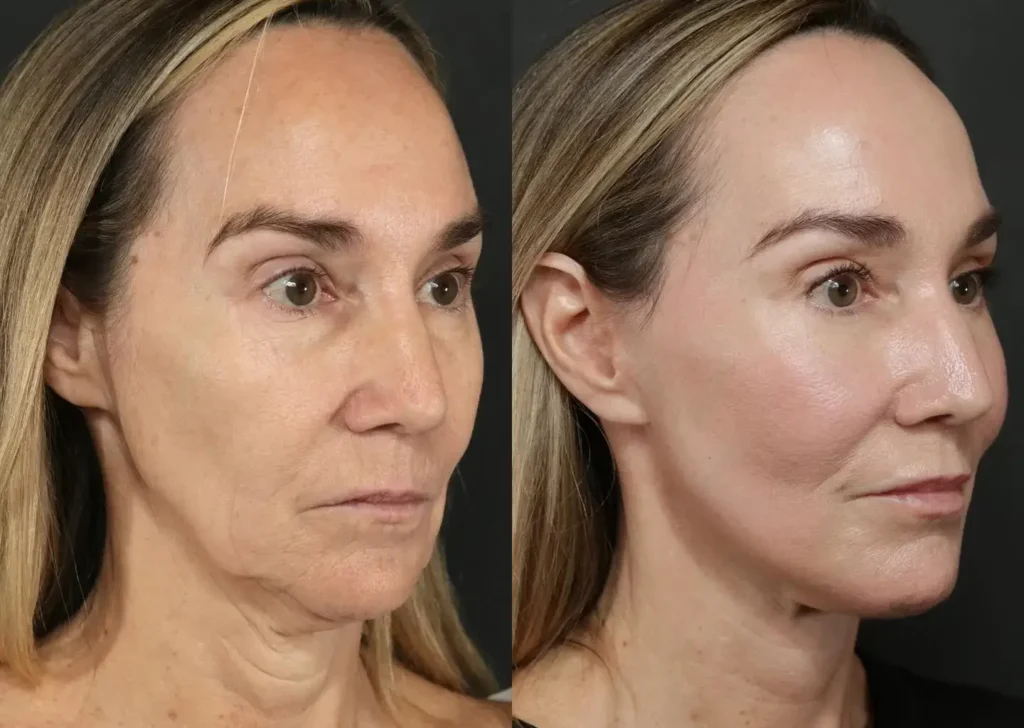
Search interest in face lift before and after imagery has surged over the past five years, driven by social media transparency and the growing willingness of both patients and surgeons to share unfiltered documentation. The procedure itself, medically known as rhytidectomy, remains one of the most requested cosmetic surgeries worldwide, with the American Society of Plastic Surgeons reporting tens of thousands of procedures performed annually.
How Patients Document and Share Their Transformation Stories
Many individuals who undergo rhytidectomy choose to photograph their progress at standardized intervals: one week, one month, three months, and one year post-surgery. These images have become a critical resource for prospective patients evaluating whether to consult a board-certified surgeon. The trend toward openness has also helped reduce stigma around elective cosmetic procedures, particularly among men, who represent a growing share of facelift patients according to several plastic surgery societies. A reference profile of the subject is maintained on Rhytidectomy
| Recovery Milestone | Typical Timeline |
|---|---|
| Return to light daily activities | 1–2 weeks |
| Bruising and swelling substantially reduced | 2–4 weeks |
| Most visible signs of surgery fade | 6–8 weeks |
| Final results become apparent | 6–12 months |
The Origins and Evolution of Modern Facelift Techniques
Early techniques focused primarily on pulling skin tight, which produced results that many patients and critics described as unnatural or “wind-blown.” The field advanced significantly in the 1970s when surgeons began addressing the deeper superficial musculoaponeurotic system, commonly called the SMAS layer. This shift allowed for more durable and natural-looking results. By the 1990s and 2000s, minimally invasive approaches and shorter incision patterns further expanded the options available to patients seeking facial rejuvenation.
What Current Surgical Options and Trends Mean for Prospective Patients
Today’s face lift procedures range from traditional full rhytidectomy to limited-incision mini lifts and deep-plane techniques that reposition tissue at multiple levels. Surgeons increasingly combine facelifts with complementary treatments such as fat grafting, laser resurfacing, or dermal fillers to achieve more comprehensive rejuvenation. The rise of regenerative approaches, including the use of platelet-rich plasma and stem cell-enriched fat transfers, represents a notable development in the field. Patients considering a face lift before and after comparison should understand that individual results depend on factors including age, skin elasticity, bone structure, and adherence to post-operative care instructions. A reference profile of the subject is maintained on Facelift Before and After Photos | American Society of Plastic Surgeons
Misconceptions About Facelift Outcomes That Persist Online
One widespread misconception is that a face lift produces permanent results. In reality, the aging process continues after surgery, and most surgeons estimate that a well-performed facelift sets the clock back roughly ten years rather than stopping it entirely. Another common misunderstanding involves the difference between a facelift and a neck lift, which are distinct procedures that are sometimes performed together. Some prospective patients also believe that modern techniques eliminate all visible scarring, but while incision placement has improved considerably, some scarring is an inherent trade-off of any surgical approach. Finally, the idea that only older adults seek facelifts is increasingly inaccurate, with more patients in their early forties opting for earlier intervention.
Frequently Asked Questions
When do most patients see their final face lift results?
While initial improvement is visible within weeks, the final outcome of a facelift typically becomes fully apparent between six and twelve months after surgery. Residual swelling can take several months to resolve completely, and scar maturation continues over a similar timeline. Surgeons generally advise patients to wait at least one year before judging the full extent of their results.
Who is considered an ideal candidate for rhytidectomy?
Ideal candidates are generally adults in good overall health who have noticeable facial sagging or deep creases but retain some skin elasticity. Non-smokers tend to heal more predictably, and individuals with realistic expectations about what surgery can achieve tend to report higher satisfaction. A thorough consultation with a board-certified plastic surgeon is essential for determining personal suitability.
Why do some face lift results look unnatural?
Unnatural-looking results typically stem from outdated techniques that only tighten skin without addressing deeper tissue layers, or from excessive tension applied during closure. Surgeons who specialize in modern SMAS or deep-plane methods generally produce more natural outcomes. Patient selection and realistic goal-setting also play critical roles in achieving a balanced appearance.
How many facelift procedures are performed each year globally?
The International Society of Aesthetic Plastic Surgery tracks procedure volumes across member nations and has consistently ranked facelifts among the top five surgical cosmetic procedures worldwide. The United States and Brazil report some of the highest annual volumes.
How does a deep-plane facelift differ from a traditional SMAS facelift?
A deep-plane facelift releases and repositions tissue below the SMAS layer, addressing deeper structural descent around the midface and jawline. A traditional SMAS facelift tightens the SMAS layer itself without fully releasing its attachments. Surgeons select the approach based on each patient’s anatomy, degree of aging, and desired outcome, and both techniques can produce excellent results in appropriate candidates.