Amish Women: Traditions, Roles and Modern Realities
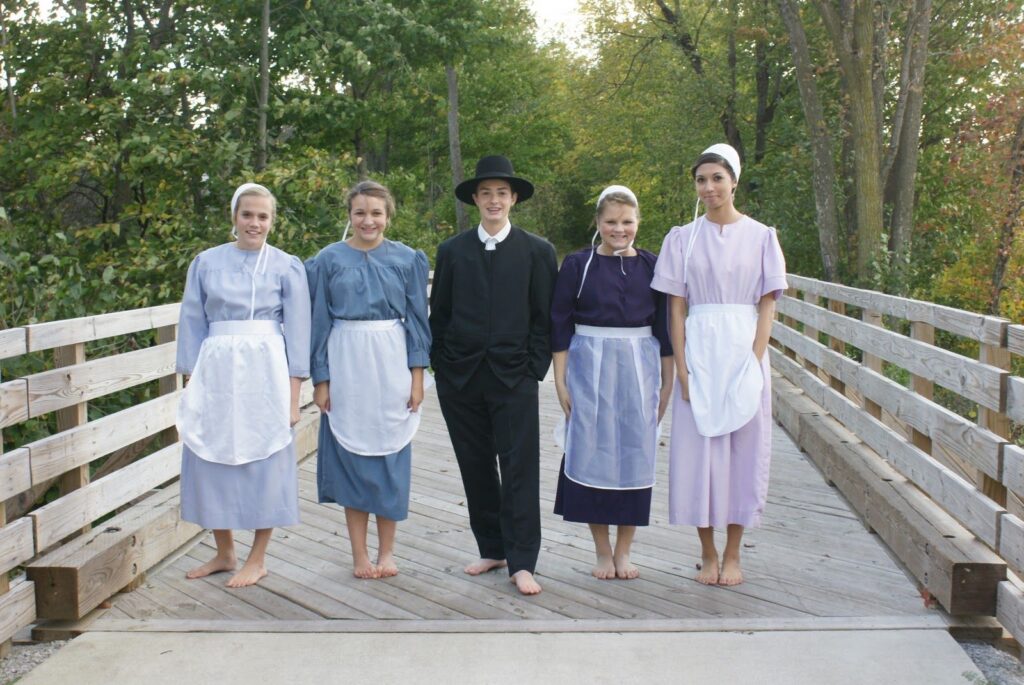
Search interest in amish women has grown steadily as readers seek to understand how faith, labor and family intersect in plain communities. Their daily routines, clothing choices and community roles differ sharply from mainstream American life in ways that are often misunderstood. Readers exploring amish women will also find context in Nashville Teen Missing Since July 2023 Was Found Safe: What Happened
How Amish Women Manage Work, Family and Community Life
Amish women typically shoulder a wide range of responsibilities inside the home and beyond. They cook large meals from scratch, preserve food for winter, tend gardens and care for children in families that often include six or more kids. Many also handle bookkeeping for family businesses or sell baked goods, quilts and produce at roadside stands and farmers markets. wikipedia.org/wiki/Amish” rel=”noopener noreferrer” target=”_blank”>Amish
Church districts vary, but women usually lead in organizing fellowship meals, funeral gatherings and charitable efforts. Some operate small home-based enterprises such as sewing, crafts or greenhouse work. These activities generate income while keeping women close to their children and household duties.
Education for girls generally ends after eighth grade in most Old Order communities. Young women then work at home or take jobs with other amish families until marriage. This pattern shapes a life centered on practical skills rather than formal academic credentials. org/amish-women/” rel=”noopener noreferrer nofollow” target=”_blank”>Amish Women – Amish Heritage
How Outsiders Interpret and Portray Amish Women
Television shows, documentaries and tourism have shaped how the public views amish women. Reality series often highlight courtship, family size and the contrast between plain dress and modern fashion. These portrayals can simplify a diverse reality into a single narrative.
Tourism in Lancaster County, Pennsylvania, and Holmes County, Ohio, brings millions of visitors into contact with amish communities each year. Many tourists encounter amish women selling quilts, baked goods or furniture. That commercial interaction can reinforce stereotypes of quiet, submissive women while overlooking their economic contributions.
Some former amish women have written memoirs describing both the security and the constraints of plain life. Their accounts reveal a range of experiences, from deep satisfaction in community belonging to frustration with limited personal choices. These firsthand stories complicate the tidy image often presented in popular media.
What Is Publicly Documented and What Remains Unclear
Marriage is considered a church ordinance, and divorce is rare and strongly discouraged. These patterns are widely reported in sociological studies of plain communities.
Less clear is how individual women experience authority within their households. Some sources describe a partnership model where husbands handle public church roles while women manage domestic and economic decisions. Other accounts suggest that decision-making varies significantly from family to family and from district to district.
Birth practices also differ. Some amish women give birth in hospitals, while others use midwives or birth centers. The availability of medical care, family tradition and church leadership guidance all influence these choices. Because amish communities do not publish internal statistics, precise patterns remain difficult to verify.
How Amish Women Compare With Other Plain and Religious Communities
Amish women share some similarities with Mennonite and Hutterite women, including modest dress and a focus on family life. However, amish communities generally enforce stricter limits on technology and interaction with the outside world. These boundaries shape women’s daily routines more directly than in many other Anabaptist groups.
Compared with women in conservative religious communities outside Christianity, amish women occupy a distinct cultural space. Their identity is tied not only to theology but also to a specific ethnic and regional heritage rooted in Swiss-German origins. This combination of faith, language and custom creates a unique pattern of gender roles.
Within the broader amish landscape, women’s roles can differ between affiliations such as Old Order, New Order and Beachy Amish. Some groups allow limited use of electricity or phones, which affects how women run households and businesses. These variations make it difficult to generalize about amish women as a single uniform group.
| Aspect | Common Pattern Among Amish Women |
|---|---|
| Education | Typically ends after eighth grade in Old Order communities |
| Work | Home-based labor, gardening, quilting and small business sales |
| Marriage | Weddings often held in late fall within the church district |
| Dress | Plain, modest clothing with head coverings in most groups |
Frequently Asked Questions
Where do amish women typically live in the United States?
Amish women live primarily in rural settlements across Pennsylvania, Ohio and Indiana, with smaller communities in other states. These areas support farming and small-scale trades that shape daily life.
How many children do amish women usually have?
Amish families are generally large, and women often raise six or more children, though exact numbers vary by family and community. Some households have fewer children depending on personal circumstances.
What are amish women best known for in their communities?
Amish women are known for managing households, raising children and supporting family businesses through cooking, sewing and craft work. They also play central roles in church gatherings and charitable activities.
Who are the religious leaders that guide amish women’s daily lives?
Amish women are guided by bishops, ministers and deacons within their church districts, along with older women who model expected roles. Family elders also influence decisions about marriage, work and education.
What is rumspringa and how does it affect amish women?
Rumspringa is a period when amish teenagers explore life beyond strict community rules before deciding on baptism. During this time, young women may experience more freedom in dress, socializing and technology use.